

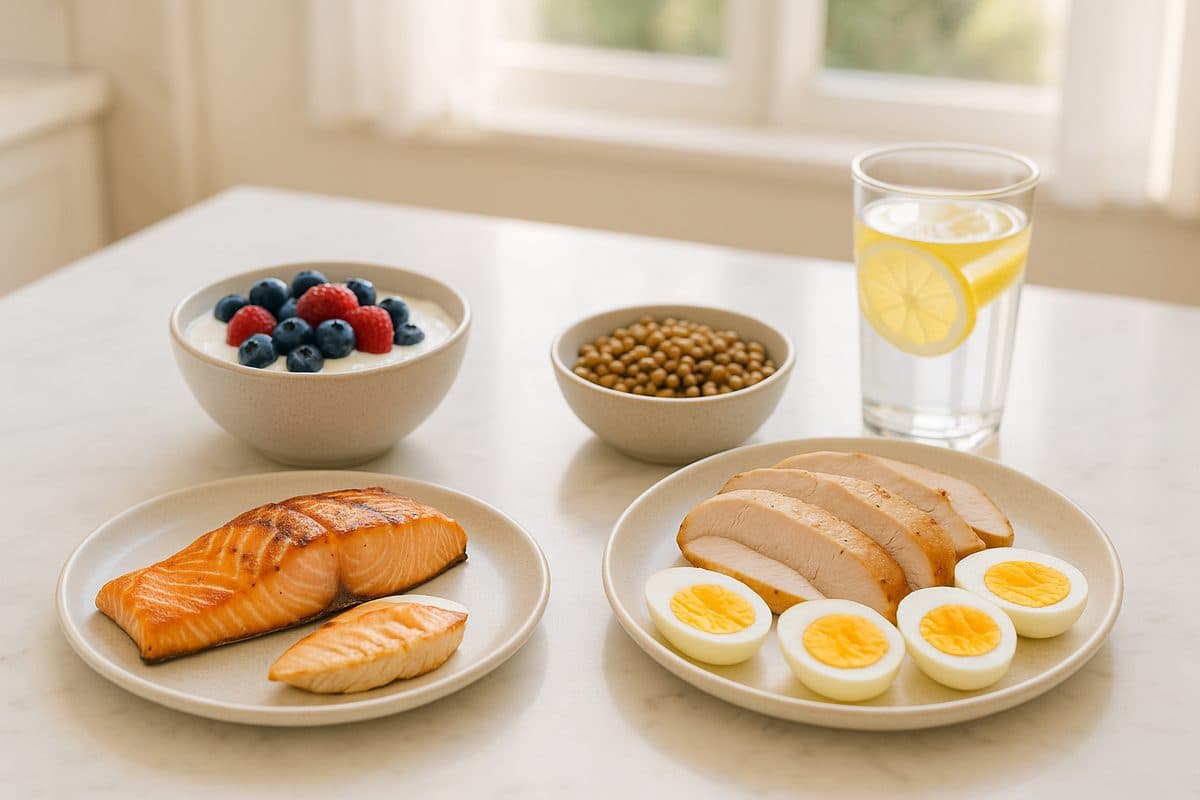
Patients enrolled in a medically supervised weight loss program in New Windsor, NY often hear that protein is important. But with so much conflicting nutrition advice online, it can be hard to know which protein sources fit best — especially for patients who are also receiving treatments such as GLP-1 receptor agonist therapy or B12 shots. At HM Care Clinic, our board-certified physician and care team help patients in Orange County, NY combine sound nutrition habits with medically supervised therapies to support healthy, sustainable weight management. Individual results vary.
Here's a practical, evidence-informed guide to protein sources commonly recommended for medical weight loss patients — and why this part of the plan deserves attention.
Why Protein Is Especially Important on a Medical Weight Loss Plan
When the body is in a caloric deficit — whether through diet alone or with the support of GLP-1 receptor agonist therapy — it does not draw only on fat stores. Without enough dietary protein, lean muscle tissue can also be broken down. That is generally the opposite of what most weight loss patients are working toward.
Protein helps preserve lean muscle mass during weight loss, which matters because muscle contributes to resting metabolic rate. In plain terms: the more muscle a patient retains, the more energy the body uses at rest — even after weight loss slows or stops.
Protein also promotes a feeling of fullness (satiety). For patients receiving GLP-1 based therapy, appetite is already being influenced in part by the medication. High-quality protein can complement that effect and helps support steadier blood sugar between meals.
How Much Protein Is Typically Recommended?
General clinical guidelines for individuals undergoing medical weight loss often suggest somewhere between 1.2 and 1.6 grams of protein per kilogram of body weight per day, though an individual target depends on starting weight, activity level, kidney function, and the specific program being followed. Our board-certified physician at HM Care Clinic determines a personalized protein goal after an in-person evaluation, as part of a comprehensive weight management plan.
Protein Sources Commonly Recommended for Medical Weight Loss Patients
1. Lean Poultry — Chicken & Turkey Breast
Skinless chicken breast and ground turkey are workhorses of any medical weight loss diet. They're high in protein, relatively low in saturated fat, and incredibly versatile. A 4-ounce serving of chicken breast delivers roughly 26–28 grams of protein with minimal calories. Grilling, baking, or air-frying keeps preparation clean and calorie-conscious.
2. Fish & Seafood
Fatty fish like salmon, tuna, and sardines provide high-quality protein plus omega-3 fatty acids, which support cardiovascular health — an important consideration for many patients seeking weight loss in Orange County, NY. Cod, tilapia, and shrimp are leaner options that provide substantial protein with very few calories.
3. Eggs & Egg Whites
Eggs are among the most bioavailable protein sources available — meaning the body absorbs and uses that protein efficiently. Whole eggs provide healthy fats and nutrients like choline, while egg whites are an ultra-lean option when caloric density needs to be reduced further. Two large eggs deliver about 12 grams of protein.
4. Low-Fat Greek Yogurt & Cottage Cheese
These dairy staples are rich in protein and easy to incorporate into breakfast or snacks. Plain, low-fat Greek yogurt contains roughly 15–20 grams of protein per serving and also provides probiotics that support gut health. Cottage cheese is similarly dense in protein and particularly satisfying when paired with fruit or vegetables.
5. Legumes — Beans, Lentils & Chickpeas
Plant-based protein sources like legumes are excellent choices, especially for patients who prefer to limit animal products. They're also high in fiber, which further supports satiety and digestive regularity. Black beans, lentils, and edamame are easy to add to soups, salads, and grain bowls.
6. Lean Red Meat (in Moderation)
Lean cuts like sirloin or 93% lean ground beef can fit into a medical weight loss plan. Red meat provides iron and B vitamins — nutrients that complement the role of B12 shots, which many patients at our Orange County NY weight loss clinic receive to support energy metabolism and overall vitality.
7. Protein Shakes & Powders
High-quality whey, casein, or plant-based protein supplements can be a convenient way to meet protein goals, particularly for patients whose appetite is noticeably reduced during GLP-1 based therapy. Look for options with minimal added sugar and simple ingredient lists. Dr. Khankhel and the HM Care Clinic team can discuss appropriate options based on an individual plan.
Quick-Reference: Protein Picks at a Glance
Here's a summary of practical protein choices for medical weight loss:
- Chicken or turkey breast — lean, versatile, high-protein
- Salmon, tuna, or shrimp — adds heart-healthy omega-3s
- Eggs or egg whites — highly bioavailable, budget-friendly
- Greek yogurt or cottage cheese — protein + probiotics in one
- Lentils, black beans, or edamame — plant-based fiber and protein
- Lean beef (sirloin, 93% lean ground) — iron and B vitamins
- Quality protein powder — convenient support when appetite is low
How Protein Works Alongside GLP-1 Based Therapy
GLP-1 receptor agonist therapy works by mimicking a naturally occurring gut hormone that signals fullness to the brain, slows gastric emptying, and helps regulate blood sugar. When appetite decreases noticeably, some patients find it difficult to eat enough food overall — and protein intake can slip.
This is why nutritional guidance is a core part of any responsible medical weight loss program. At HM Care Clinic in New Windsor, NY, treatment decisions are made by a physician after an in-person evaluation, and risks, benefits, and alternatives are reviewed before therapy begins. Our team also educates patients on how to eat intentionally within a reduced appetite window — prioritizing protein at meals to help preserve lean muscle during weight loss.
B12 shots, often included in our medical weight loss plans, help support the cellular energy processes involved in using the protein a patient consumes.
Considering Medical Weight Loss in New Windsor, NY?
Nutrition is just one piece of the puzzle. A thoughtful weight management plan involves medical evaluation, therapies selected for an individual health profile, ongoing monitoring, and guidance along the way. Outcomes are not guaranteed and vary from patient to patient. If you're located in New Windsor, Newburgh, Cornwall, Vails Gate, Washingtonville, or anywhere in the Hudson Valley, our team is here to help.
Explore our Medically Supervised Weight Loss program at HM Care Clinic — or book your consultation today to meet with Dr. Khankhel and discuss a plan based on your goals, health history, and eligibility for treatment.
This article is intended for general informational purposes only and does not constitute medical advice. Please consult with a qualified healthcare provider before making changes to your diet or treatment plan.
Medical Disclaimer
The information on this page is for general educational purposes and is not medical advice, a diagnosis, or a treatment recommendation. It is not a substitute for consultation with a qualified healthcare provider. Any medication is prescribed only after a medical evaluation and only where a physician determines it is clinically appropriate; risks, benefits, and alternatives are discussed with you first. Individual results vary and no specific outcome is guaranteed. Never disregard or delay seeking professional medical advice because of something you have read here. If you are experiencing a medical emergency, call 911.
Medically reviewed by Israr Khankhel, MD — board certified in Obesity Medicine, Family Medicine, and Health Care Quality.