

If you've ever been curious about Botox in New Windsor, NY but held back because of something you heard, you're not alone. Misinformation about cosmetic treatments spreads quickly — online, at work, or at the dinner table. The result? Many people in Orange County and across the Hudson Valley miss out on safe, physician-supervised treatments that could genuinely improve their confidence and skin health.
At HM Care Clinic, our board-certified physician is here to separate fact from fiction. Below, we address the most common Botox myths and give you the clear, honest picture you deserve.
Myth #1: Botox Will Make You Look "Frozen" or Expressionless
This is probably the most widespread myth — and it stems from images of poorly performed treatments. The truth is that frozen-looking results are a sign of too much product or incorrect placement, not an inevitable outcome of the treatment itself.
When Botox is administered by a trained, board-certified physician, the goal is subtle refinement. You should still be able to smile, raise your eyebrows, and show emotion naturally. The difference is that the deep-set lines caused by repetitive muscle movement — crow's feet, forehead lines, "11s" between the brows — are softened, not erased.
At HM Care Clinic, our approach to medical aesthetics in New Windsor, NY is always guided by your anatomy, your goals, and a careful clinical eye.
Myth #2: Botox Is Only for Women
Men across Orange County and the broader Hudson Valley are increasingly seeking Botox treatments — and for good reason. Preventive and corrective neuromodulator treatments are equally effective in men. In fact, "Brotox" (as it's sometimes called informally) has seen consistent growth over the past decade.
Men tend to have stronger facial muscles and different skin structure, which simply means dosing and placement may differ slightly. A board-certified physician can tailor the treatment precisely to your facial anatomy, regardless of gender.
Myth #3: Botox Is the Same Thing as Dermal Fillers
These are two distinct treatment categories, and confusing them is extremely common.
- Botox (a neuromodulator) works by temporarily relaxing specific muscles that cause dynamic wrinkles — lines that appear when you move your face.
- Dermal fillers are injectable gels (most commonly hyaluronic acid-based) that add volume, contour, and lift to areas that have lost fullness over time — such as the cheeks, lips, and nasolabial folds.
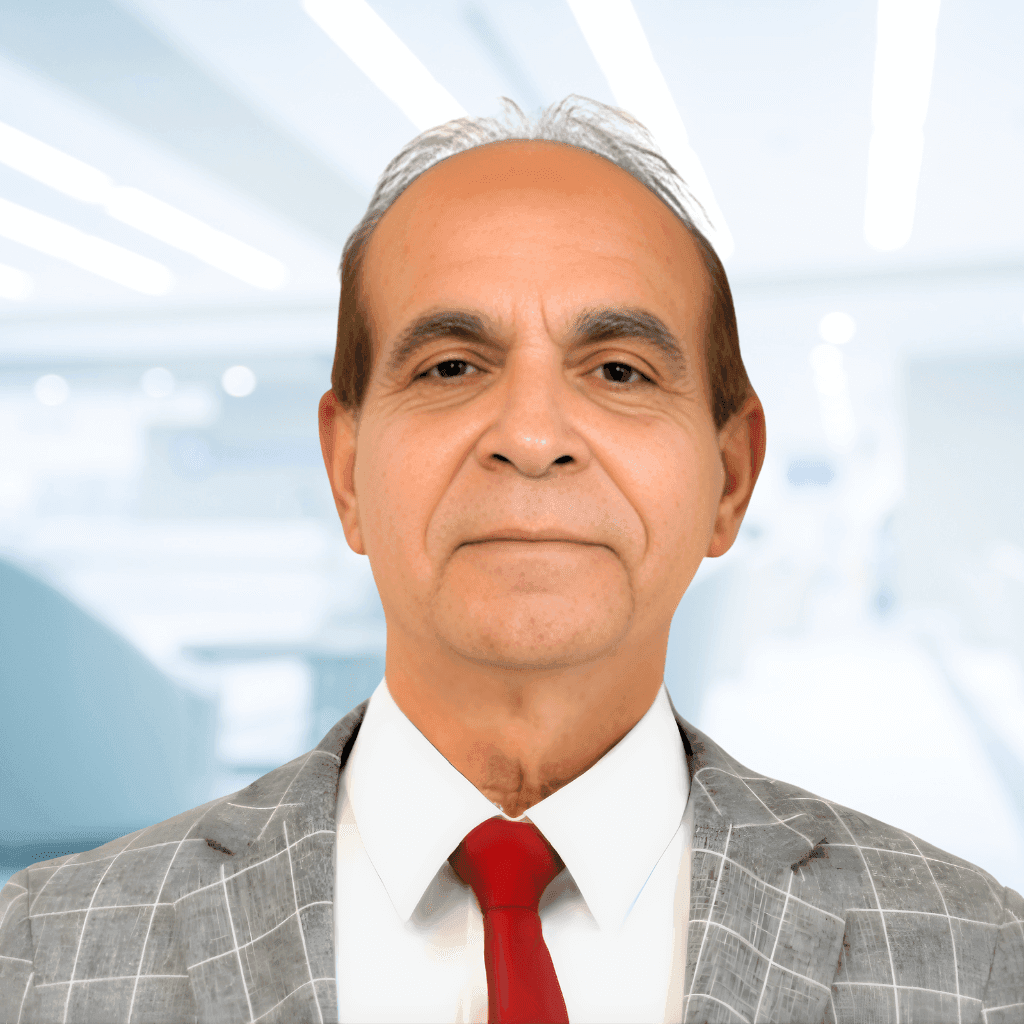
Both have their place in a comprehensive medical aesthetics plan, and they are often used together for complementary results. During a consultation at HM Care Clinic, Dr. Khankhel and the team will evaluate which approach — or combination — makes sense for your specific concerns.
Myth #4: Botox Is Unsafe or Toxic
The active protein in Botox has been studied extensively and has been FDA-approved for both cosmetic and medical uses for decades. When administered in the small, precise doses used in cosmetic treatments, it works locally at the injection site and does not circulate through the body in meaningful amounts.
Safety, as always, comes down to who is performing the treatment. A board-certified physician with proper training in facial anatomy dramatically reduces the risk of complications. Choosing a medically supervised clinic — rather than a spa or pop-up event with unlicensed injectors — is the single most important safety decision you can make.
Myth #5: Once You Start Botox, You Can't Stop
This concern is completely understandable, but it's not accurate. Botox is temporary by nature. Results typically last three to four months, after which the muscle activity gradually returns to its prior baseline. If you choose not to continue treatments, your face will simply return to how it looked before — there is no rebound worsening.
Some patients do find that with consistent treatment over time, they need slightly less product as muscles become accustomed to relaxing — but that is a benefit, not a trap.
Beyond Botox: IPL Photofacial and Laser Skin Rejuvenation
Botox and dermal fillers are only part of what modern medical aesthetics can offer. At HM Care Clinic, we also provide IPL photofacial and laser skin rejuvenation treatments, which address concerns that injectables simply can't touch:
- Uneven skin tone and sun damage
- Redness and visible blood vessels
- Age spots and hyperpigmentation
- Rough skin texture and early signs of photoaging
IPL (Intense Pulsed Light) delivers broad-spectrum light energy into the skin to target pigment irregularities and vascular lesions, helping restore a clearer, more even complexion. Laser skin rejuvenation uses focused light energy to stimulate collagen remodeling and improve overall skin quality.
Together with Botox and dermal fillers, these technologies form a well-rounded approach to skin health — one that goes far beyond surface-level fixes.
Why Physician-Led Medical Aesthetics Matters
Here in the Hudson Valley, you have many options for cosmetic treatments. But not all providers are equal. The difference between a board-certified physician and an unlicensed or minimally trained injector is the depth of clinical knowledge behind every decision — knowledge of anatomy, drug interactions, patient health history, and how to manage complications if they arise.
Dr. Khankhel and the HM Care Clinic team bring that level of expertise to every patient in New Windsor, NY, Newburgh, Cornwall, Cornwall-on-Hudson, Vails Gate, Washingtonville, and throughout Orange County.
Ready to Get the Facts — and a Plan That's Right for You?
If today's post has answered some of your questions but you'd like personalized guidance, the best next step is a one-on-one consultation. Our board-certified physician will review your skin, discuss your goals, and recommend a treatment plan — whether that's Botox, dermal fillers, an IPL photofacial, laser skin rejuvenation, or a combination approach.
Explore our Medi-Spa services or book your consultation today at HM Care Clinic — proudly serving New Windsor, Orange County, and the greater Hudson Valley.
This blog post is intended for general informational purposes only and does not constitute medical advice. Please consult a qualified physician before beginning any cosmetic or aesthetic treatment.