

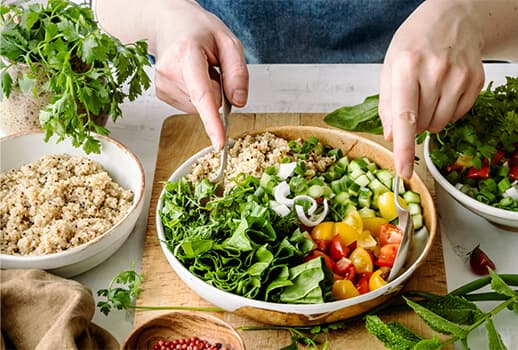
Can a Plant-Based Diet Help with Weight Loss?
A plant-based diet emphasizes whole, minimally processed foods derived from plants, such as fruits, vegetables, whole grains, legumes, nuts, and seeds. Unlike strict vegan diets, plant-based eating doesn’t necessarily exclude animal products entirely but focuses on plants as the primary source of nutrition. This dietary pattern is gaining popularity not only for its health benefits but also for its potential role in weight management.
How Does a Plant-Based Diet Support Weight Loss?
- Low Caloric Density:
Plant-based foods, especially fruits and vegetables, tend to have lower calorie content while being high in volume and fiber. This means you can eat larger portions, feel full, and still consume fewer calories. - High Fiber Content:
Fiber-rich foods help regulate appetite by promoting satiety and slowing digestion. This reduces the likelihood of overeating and helps stabilize blood sugar levels, preventing energy crashes and cravings. - Elimination of Processed Foods:
Plant-based diets often encourage the avoidance of processed and calorie-dense foods, such as fried snacks, sugary treats, and refined carbohydrates. These dietary changes naturally lead to reduced calorie intake. - Boosted Metabolism:
Certain plant-based foods, like green tea, chili peppers, and whole grains, contain compounds that may increase metabolic rate, further aiding weight loss.
What Are the Key Foods in a Plant-Based Diet for Weight Loss?
- Fruits and Vegetables:
Rich in vitamins, minerals, and antioxidants, these should form the base of your meals. Focus on leafy greens, berries, and cruciferous vegetables like broccoli and cauliflower. - Whole Grains:
Opt for brown rice, quinoa, oats, and whole-grain bread to provide energy and keep you feeling satisfied. - Legumes and Pulses:
Beans, lentils, and chickpeas are excellent sources of protein and fiber, essential for muscle maintenance and appetite control. - Nuts and Seeds:
While calorie-dense, these are packed with healthy fats and can be enjoyed in moderation to promote satiety and support overall health. - Plant-Based Proteins:
Incorporate tofu, tempeh, and plant-based meat alternatives to meet protein needs without relying on animal products.
Are There Challenges to Adopting a Plant-Based Diet?
Transitioning to a plant-based diet can be rewarding but may come with challenges, including:
- Nutritional Gaps:
Some nutrients, like vitamin B12, iron, and omega-3 fatty acids, are less abundant in plant-based foods. It’s essential to plan meals carefully or consider supplements to avoid deficiencies. - Adaptation Period:
Adjusting to a new way of eating can take time. Cravings for processed or animal-based foods may persist initially but usually subside as your palate adapts. - Social Situations:
Dining out or attending events might feel limiting at first, but many restaurants and venues now offer plant-based options to accommodate diverse dietary needs.
How Can HM Care Help You Succeed with a Plant-Based Diet?
At HM Care Weight Loss Center, we provide personalized support to help you achieve your weight loss goals through a plant-based diet. Our services include:
- Tailored Meal Plans:
Customized plant-based menus designed to suit your nutritional needs and weight loss objectives. - Nutritional Counseling:
Expert guidance to ensure you meet all your dietary requirements and avoid deficiencies. - Lifestyle Support:
Ongoing encouragement and tips to integrate plant-based eating into your daily routine seamlessly. - Monitoring and Adjustments:
Regular check-ins to track your progress and make necessary adjustments to your plan.
Can Plant-Based Diets Provide Long-Term Weight Management?
Yes, plant-based diets can be effective for long-term weight management if followed consistently. The focus on whole, nutrient-dense foods helps maintain a healthy weight while reducing the risk of chronic diseases like diabetes and heart disease. However, long-term success depends on creating a sustainable lifestyle rather than following short-term restrictive diets.
What Are Some Practical Tips for Starting a Plant-Based Diet?
- Start Gradually:
Begin by incorporating one or two plant-based meals per week, then increase as you become comfortable. - Experiment with Recipes:
Explore diverse cuisines that naturally focus on plant-based ingredients, such as Mediterranean, Indian, or Asian dishes. - Stay Informed:
Learn about plant-based nutrition to ensure you’re meeting your dietary needs, particularly for protein, iron, and calcium. - Prepare Ahead:
Batch cooking and meal prepping can save time and make it easier to stick to your diet. - Seek Support:
Join plant-based communities or seek professional guidance from HM Care to stay motivated and informed.
Is a Plant-Based Diet Right for You?
Plant-based diets are not only effective for weight loss but also offer a host of health benefits, including improved digestion, reduced inflammation, and better overall well-being. While individual results may vary, adopting a plant-based lifestyle with the right support and resources can lead to sustainable weight management and a healthier life.
Ready to embrace a plant-based diet for your weight loss journey? Let HM Care guide you every step of the way. Start today and take the first step toward a healthier, happier you!
Medical Disclaimer
The information on this page is for general educational purposes and is not medical advice, a diagnosis, or a treatment recommendation. It is not a substitute for consultation with a qualified healthcare provider. Any medication is prescribed only after a medical evaluation and only where a physician determines it is clinically appropriate; risks, benefits, and alternatives are discussed with you first. Individual results vary and no specific outcome is guaranteed. Never disregard or delay seeking professional medical advice because of something you have read here. If you are experiencing a medical emergency, call 911.
Medically reviewed by Israr Khankhel, MD — board certified in Obesity Medicine, Family Medicine, and Health Care Quality.