

How can seasonal eating transform your health and boost your well-being year-round?
At HM Care Clinic, we understand the importance of nutrition in maintaining a healthy lifestyle, and one of the most impactful ways to enhance your health is by embracing seasonal eating. Seasonal eating refers to adjusting your diet to incorporate foods that are naturally available during different times of the year. This simple practice can significantly improve your overall health, boost your immunity, and even help with weight management. Let’s explore the benefits of seasonal eating and how you can transform your health throughout the year.
The Benefits of Eating Seasonally
Seasonal eating offers numerous benefits for your body, including higher nutritional value, fresher produce, and better taste. Foods that are in season are often harvested at the peak of their nutritional content, offering more vitamins and minerals than those that are out of season or imported. Seasonal foods are also typically grown locally, making them more affordable and environmentally friendly.
Eating with the seasons means your body will receive the nutrients it needs at the right time. For example, foods that are available in winter are often higher in antioxidants and immune-boosting properties, helping your body stay strong against cold and flu viruses. In contrast, summer fruits and vegetables offer hydration and energy-boosting properties, perfect for the hotter months.
Spring: A Time for Fresh Beginnings
Spring is a time for renewal, and your diet should reflect that. The season brings an abundance of fresh fruits and vegetables, such as leafy greens, asparagus, and strawberries, all of which help detoxify and cleanse the body after the heavier meals of winter. These foods are light, hydrating, and packed with vitamins that support your digestive system.
Incorporating seasonal spring produce into your meals can help restore energy, boost your metabolism, and improve your mood. For example, try a fresh salad with baby spinach, arugula, and spring onions, or enjoy roasted asparagus as a side dish to your main meal.
Summer: Hydration and Energy Boosters
As the weather heats up, it’s important to stay hydrated and energized. Summer is the season for juicy fruits like watermelon, tomatoes, cucumbers, and berries, which are packed with water to keep you refreshed. These hydrating foods also provide antioxidants, fiber, and vitamins that can promote skin health, improve digestion, and keep you feeling full and energized.
Incorporating summer produce into your meals can help prevent dehydration, combat fatigue, and regulate body temperature. Try a watermelon salad with mint and feta for a refreshing treat or enjoy a cucumber smoothie to cool off during the hot days.
Fall: Preparing for the Cooler Months
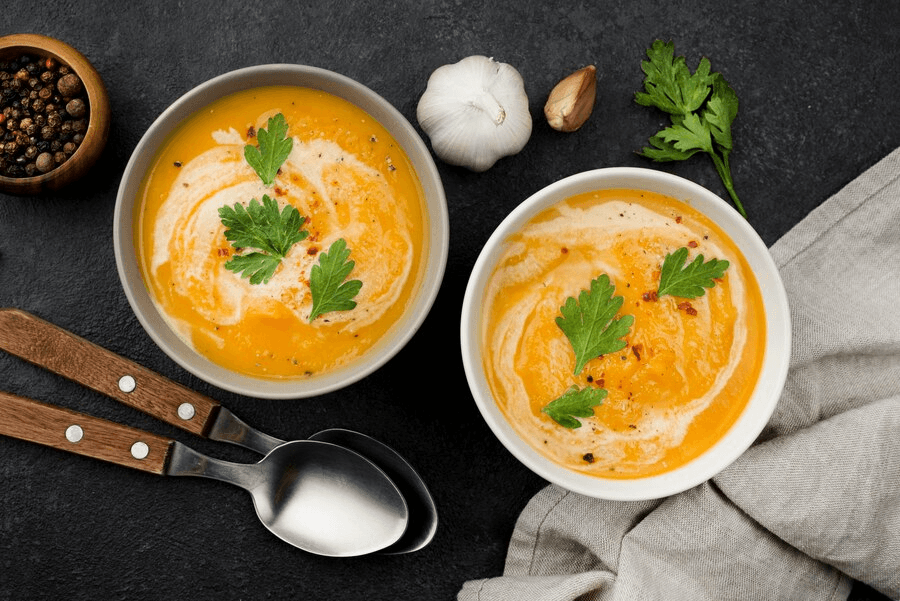
As the temperature begins to drop, it’s time to prepare your body for the cooler months with hearty, comforting meals. Fall brings a variety of root vegetables, pumpkins, and squashes, all of which are rich in fiber, vitamins, and antioxidants. These foods are perfect for boosting your immune system and preparing your body for the challenges of winter.
Foods like sweet potatoes, carrots, and squash can be roasted, blended into soups, or mashed for a warming meal. These nutrient-dense foods provide the energy and sustenance needed to stay active as the weather turns chilly.
Winter: Nourishing and Comforting Foods
Winter is the season for warming, nourishing meals that support your immune system. Root vegetables such as carrots, parsnips, and Brussels sprouts are in season and packed with vitamins that support your health during the colder months. These vegetables are high in fiber and essential nutrients that help fight off winter illnesses and maintain energy levels.
Winter is also the perfect time for soups, stews, and casseroles, which can help keep you warm and provide comfort. Add seasonal herbs and spices like cinnamon, nutmeg, and ginger to your meals to promote circulation and digestion, keeping your body nourished and prepared for the cold weather.
Conclusion: Embrace Seasonal Eating for Better Health
By incorporating seasonal eating into your daily routine, you can improve your health, boost your immunity, and enjoy a greater variety of flavors. Seasonal foods are not only more nutritious but also more affordable and environmentally friendly. At HM Care Clinic, we encourage you to embrace the benefits of eating seasonally and to align your diet with the seasons to optimize your well-being.
Whether it’s enjoying fresh spring greens, hydrating summer fruits, hearty fall vegetables, or warming winter meals, seasonal eating is a simple yet powerful way to enhance your health. For personalized nutrition advice and meal planning based on the season, consult with our expert nutritionists today and start your journey towards a healthier, more balanced life.
Medical Disclaimer
The information on this page is for general educational purposes and is not medical advice, a diagnosis, or a treatment recommendation. It is not a substitute for consultation with a qualified healthcare provider. Any medication is prescribed only after a medical evaluation and only where a physician determines it is clinically appropriate; risks, benefits, and alternatives are discussed with you first. Individual results vary and no specific outcome is guaranteed. Never disregard or delay seeking professional medical advice because of something you have read here. If you are experiencing a medical emergency, call 911.
Medically reviewed by Israr Khankhel, MD — board certified in Obesity Medicine, Family Medicine, and Health Care Quality.