

Can Walking Really Help You Lose Weight?
If you’re looking for a simple, sustainable way to shed pounds, walking for weight loss might be the game-changer you need. It doesn’t require fancy equipment, a gym membership, or extreme commitment—just a good pair of shoes and a little motivation. You can burn calories by walking every day, even in short bursts, and see steady results over time.
How Walking Helps You Lose Weight?
Walking is a low-impact aerobic activity that boosts metabolism, strengthens the heart, and burns calories. Depending on your pace, weight, and terrain, you can torch between 100–300 calories in a 30-minute walk. When done consistently, walking for weight loss becomes a reliable part of a healthy lifestyle.
Not only does it promote fat loss, but walking also helps regulate blood sugar, reduce stress, and improve mood—all of which support better eating habits and long-term weight management.
How Many Steps Should You Aim For?
We’ve all heard of the 10,000 steps goal—but is it necessary?
While 10,000 is a solid number, research shows that even 7,000–8,000 steps per day can contribute significantly to calorie burning through walking. What’s more important is consistency and intensity. Walking briskly for 30–45 minutes five days a week can help create a calorie deficit that leads to weight loss.
Here’s a rough breakdown:
- 2,000 steps = ~1 mile = ~100 calories burned
- 10,000 steps/day = ~5 miles = ~500 calories burned
Over a week, that’s 3,500 calories—equivalent to one pound of fat!
Ways to Burn More Calories by Walking!
Want to get more from each step? Here are some ways to boost your walking workout:
- Increase your pace: Aim for a brisk walk (3–4 mph) to raise your heart rate.
- Add incline: Walk uphill or use stairs to engage more muscles.
- Use walking poles or weights: This activates your upper body and increases calorie burn.
- Try interval walking: Alternate between fast-paced walking and normal pace to spike your metabolism.
With these tips, you can burn more calories while walking without increasing the time spent on your workout.
When Is the Best Time to Walk?
The best time to walk is whenever it fits your routine. Morning walks can boost your energy and help regulate your day’s appetite, while evening walks may aid digestion and stress relief.
More important than the time of day is simply doing it regularly. Even splitting your walk into two 15-minute sessions can deliver benefits.
Track Your Progress
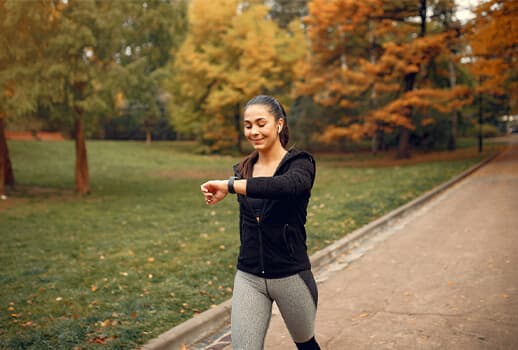
Using a step tracker or smartphone app can help you stay motivated. Set realistic goals, monitor your progress, and reward yourself when you hit milestones. Watching those step counts rise can be incredibly encouraging as you continue walking for weight loss.
Pair Walking with Healthy Habits
Walking works best when paired with mindful eating, hydration, and adequate rest. Focus on whole foods, limit added sugars, and fuel your body with the nutrients it needs to perform optimally. Small lifestyle changes can accelerate the results you get from walking.
Step Toward a Healthier You
Whether you’re a beginner or easing back into fitness, walking for weight loss is a straightforward and highly effective way to enhance your overall health. It’s sustainable, enjoyable, and requires no gym or schedule overhaul. You can easily burn calories by walking around your neighborhood, during your lunch break, or while listening to a podcast.
Start where you are—even 15-minute walks add up. With time, consistency, and a little determination, those steps can take you far—not just in miles but in results.
Book Your Consultation now and take the first step with HM Care Weight Loss Center.
Medical Disclaimer
The information on this page is for general educational purposes and is not medical advice, a diagnosis, or a treatment recommendation. It is not a substitute for consultation with a qualified healthcare provider. Any medication is prescribed only after a medical evaluation and only where a physician determines it is clinically appropriate; risks, benefits, and alternatives are discussed with you first. Individual results vary and no specific outcome is guaranteed. Never disregard or delay seeking professional medical advice because of something you have read here. If you are experiencing a medical emergency, call 911.
Medically reviewed by Israr Khankhel, MD — board certified in Obesity Medicine, Family Medicine, and Health Care Quality.